

Wildlife Prevention Blog
What Raccoon Removal Costs in Burlington — And What Drives the Price
It's 11 p.m., something heavy walks across your attic, and before you've even decided who to call, you're wondering what this is going to cost. Fair question — and if you've searched it, you've probably found US websites quoting US prices, and directory pages that won't commit to anything. Here's the honest version for a Burlington homeowner: what a raccoon removal quote actually pays for, and what makes one house cost more than the next.
Why there's no honest flat price for raccoon removal
Any company that quotes you one flat price over the phone, sight unseen, is guessing — because no two raccoon jobs are the same house twice. The animal is the easy part to predict. Your roof is not. A raccoon that slipped through one loose roof vent on a one-storey ranch is a different job from a raccoon family denning above a two-storey with a steep pitch, three entry points and a season's worth of droppings in the insulation.
That doesn't mean you should be left in the dark until the invoice. It means the price has parts, and you should be able to see every one of them before you agree to anything.
What a raccoon removal quote actually pays for
A proper humane removal in Burlington is a sequence, not a single visit:
- The inspection — attic and roofline checked to confirm it's raccoons, find every entry point, and check for babies in season.
- The one-way door — fitted over the main entry so the raccoons leave on their own and can't get back in. This is the humane core of the job.
- Exclusion and sealing — every other entry point closed and reinforced: roof vents, soffit gaps, chimney and plumbing stacks. Seal only the door they used tonight and they'll test the next weak spot tomorrow.
- Baby-season care — in spring, young raccoons can't leave on their own; the job has to account for them, which changes the timing and the work.
- Cleanup where it's needed — raccoons use one corner of an attic as a latrine. Contaminated insulation and droppings are a real health concern and a separate piece of work from the removal itself.
- Follow-up — confirming the attic is empty and the seals are holding before the job is called done.
Published Canadian cost guides (HomeStars' 2026 raccoon removal guide is the most detailed) break it down the same way: labour is typically 60 to 75 percent of the quote, materials for doors and sealing run roughly $50 to $200, a separately charged inspection is usually $80 to $150, and full decontamination of a badly fouled attic can run $500 to $2,000. Where your house lands inside those ranges is exactly what the next section is about.
The Ontario rule that shapes the whole job
In Ontario, a trapped raccoon generally has to be released within about a kilometre of where it was caught. That one rule is why professional removal here is built around one-way doors and exclusion instead of trap-and-truck-it-away: the animal leaves on its own, stays in its own territory, and your house — not the raccoon — is what gets fixed. A quote built on trapping alone, without the sealing work, usually means the same raccoon (or its neighbour) is a repeat customer. When you compare quotes, that's the first question to ask: what stops the next one?
What drives your price up — or keeps it down
- Roof access. Height, pitch and how much of the roofline needs ladder work.
- Number of entry points. One vent is one job. A vent, two soffit gaps and an unprotected chimney is several jobs sharing one visit.
- How long they've been in. A week of droppings is cleanup; a winter of it can mean insulation replacement in the affected area.
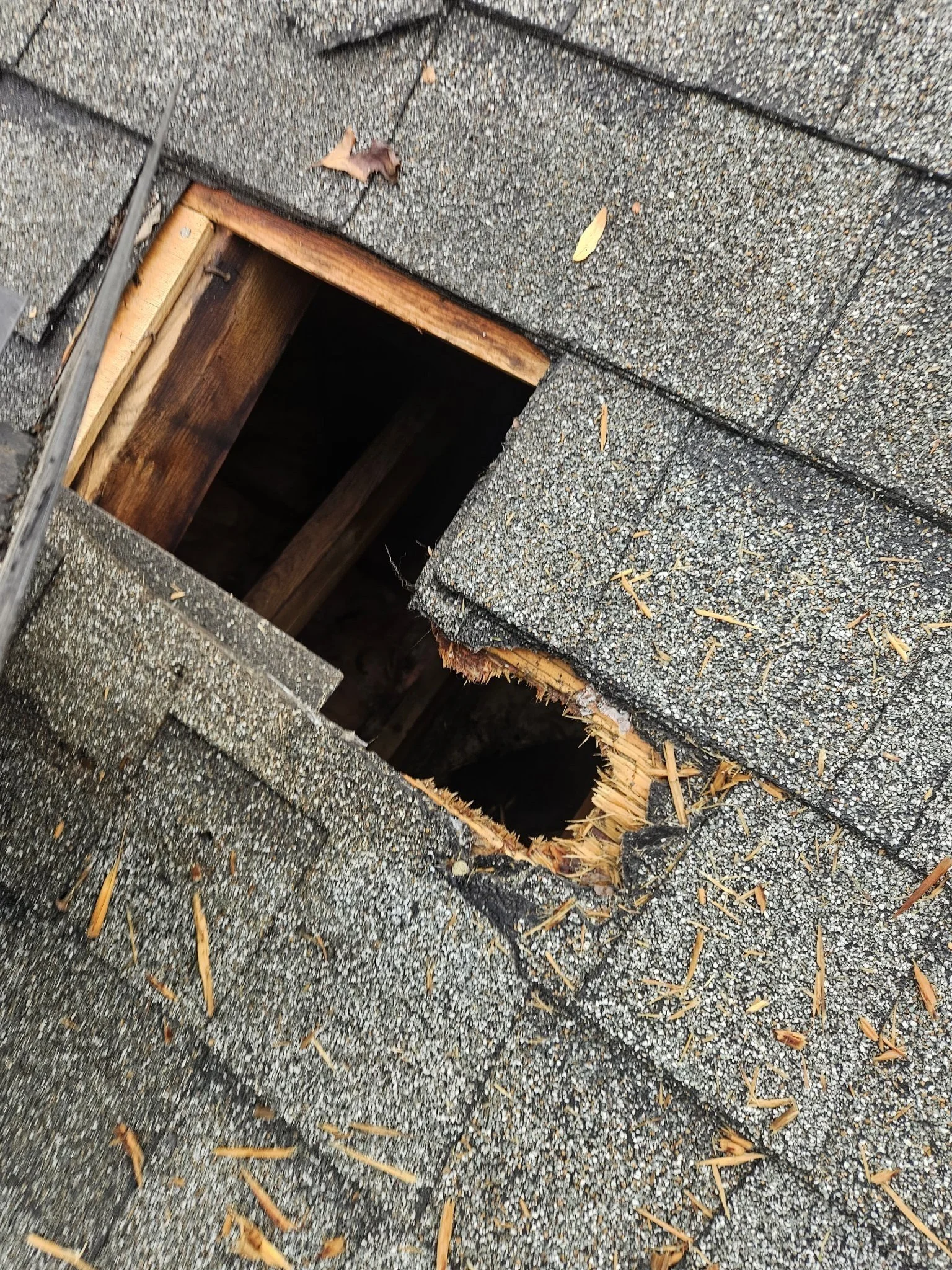
- What's been damaged. Torn vent covers, chewed decking and wrecked soffits add repair to removal.
- Babies. Spring jobs with kits in the attic need more care and sometimes more visits.
None of that is knowable from a phone call — which is why the inspection comes first, and why a real quote names its parts.
How Regional Wildlife Services handles it
Regional Wildlife Services is owner-operated — Sean Thornton, 20+ years removing wildlife humanely, does the inspection and the work himself. The order never changes: inspect the attic and roofline, fit the one-way door, seal every entry point, and clean up where the raccoons have fouled. You get the price explained in its parts before work starts, and because the same person quoted it and did it, there's nobody to hand you off to. It's the approach behind our 4.9+ star rating — and you can see the work itself in our gallery of real job photos.
If you're comparing quotes right now, ask each company the same three things: Do you seal every entry point or just the one being used? What happens if babies are in the attic? And what does the price include for cleanup? The answers will sort the quotes faster than the numbers will.
Frequently asked questions
How much does raccoon removal cost in Burlington? It depends on your roof, your entry points and your attic — published Canadian guides put the labour share at 60 to 75 percent of a typical quote, with inspection, materials and any decontamination itemized on top. The only honest number for your house comes after an inspection, and it should arrive broken into its parts, not as one unexplained figure.
Why can't you just give me a price over the phone? Because the price lives in your roofline: access, entry points, damage and whether babies are present. Anyone pricing all of that blind is either padding the number or planning to add to it later. A short inspection turns the guess into a quote.
Will my home insurance cover raccoon removal or damage? Policies vary a lot. Removal itself is often treated as home maintenance, while sudden damage the animals caused may be treated differently. It's worth a call to your provider with the inspection findings in hand — we can tell you exactly what we found, which is what they'll ask about.
How long does raccoon removal take? The door and sealing work is typically done in one visit; the raccoons then leave on their own over the following nights, and we confirm the attic is empty before closing the job. Baby season and complicated rooflines can add visits — your quote will say so up front.
Hearing something in your attic tonight?
Call Regional Wildlife Services at 905-320-8984. We take phone calls and bookings 7 days a week; service appointments run Monday to Friday typically, and weekend calls book jobs in for the following week. We serve Burlington, Oakville, Milton, Hamilton, Stoney Creek, Georgetown and the Niagara region — and the sooner the inspection happens, the smaller every number in this article stays.
WINTER IS COMING — RACCOONS AND SQUIRRELS ARE ALREADY LOOKING FOR A WARM ATTIC
October in Halton is moving season — not for people, for wildlife. As the nights get cold, raccoons and squirrels go looking for one thing: a warm, dry, safe place to spend the winter. Your attic is exactly what they're after.
Why Your Attic Is Their First Choice
An attic is warm, quiet, and safe from predators — everything a raccoon or squirrel needs to ride out a Canadian winter. A raccoon will den up for the coldest months, and squirrels will move in and start storing food for winter. Once they've settled in, they're not leaving on their own.
The Roof Vent Is the Front Door
The most common way in is straight through your plastic roof vent. Raccoons rip and tear the vent open with their paws. Squirrels chew through it. Either way, one unprotected vent is all it takes — and most homeowners have no idea it's happened until they hear scratching overhead.
Signs Something Is Already Moving In
Scratching, thumping, or scurrying sounds at dawn or dusk
A vent corner that looks chewed, bent, or lifted
Droppings or nesting material around the roofline
Nuts and seeds stored in the attic insulation (a squirrel giveaway)
The Damage Adds Up Fast
Animals in the attic chew wiring — a real fire hazard. They tear up insulation, leave waste and contamination behind, and a ripped-open vent lets rain and snow in on top of it. What starts as one animal in October can turn into thousands of dollars in repairs by spring.
What To Do Before the Snow Flies
Check your roof vents now, while you can still get ahead of it. The fix is simple: animal-proof steel vent covers. Vent Defender Pro covers are Canadian-made from 16-gauge galvanized steel, built to keep raccoons and squirrels out without restricting airflow. You can order them at Vent-Defender.com or on Amazon.ca — or have us install them for you.
Already hearing noises? Don't seal anything up yourself — an animal trapped inside causes far bigger problems. We remove them humanely and secure every entry point so they can't come back.
Regional Wildlife Services has protected homes in Burlington, Oakville, Milton, and Hamilton for over 20 years. Call us at 905-320-8984 and we'll make sure the only thing spending winter in your attic is your insulation.
PROTECT YOUR ROOF VENTS FROM WILDLIFE
PROTECT YOUR ROOF VENTS FROM WILDLIFE (HOME OWNERS)
May 5
Why Protecting Your Roof Vents Is One of the Smartest Moves for Your Home
Most homeowners don’t think about their roof vents until there’s a problem. Unfortunately, by the time you hear scratching in the attic or notice damage, it’s already too late.
Roof vents are one of the most common entry points for wildlife like raccoons, squirrels, and birds. These animals are constantly looking for warm, safe places to nest—especially during breeding seasons. Your attic is exactly what they’re looking for.
What Happens When Vents Aren’t Protected?
Unprotected roof vents can quickly turn into a costly issue. Wildlife can:
Tear open vent covers to gain access
Nest inside your attic insulation
Chew wiring, creating fire hazards
Leave behind waste and contamination
Cause structural damage over time
What starts as a small opening can lead to thousands of dollars in repairs.
Why Roof Vent Covers Matter
Installing high-quality, animal-proof roof vent covers is one of the most effective ways to prevent these problems before they start.
Professional-grade vent covers are designed to:
Block entry from larger wildlife like raccoons and squirrels
Withstand harsh weather conditions
Maintain proper airflow for your home
Provide long-term protection without constant maintenance
This is why experienced wildlife technicians always recommend securing vents as a first line of defense.
Trusted by Professionals
At Regional Wildlife Services, we’ve seen firsthand how much damage unprotected vents can cause. That’s why we offer durable, galvanized steel roof vent covers designed specifically for real-world wildlife situations.
These are the same types of covers used by professionals in the field—built to last and built to work.
Available Online for Easy Protection
For homeowners who want to take action right away, our roof vent covers are available on Amazon.ca in convenient multi-packs.
This makes it simple to protect your home without waiting for a problem to happen.
Don’t Wait Until There’s Damage
Wildlife problems don’t fix themselves—they get worse over time. Taking a proactive approach by protecting your roof vents can save you stress, money, and major repairs down the line.
If you’re unsure whether your vents are secure or need professional help, Regional Wildlife Services is here to help.
Protect your home before something moves in.

Why Birds Love Dryer Vents
As we approach fall and the weather starts to cool down, you may find yourself with an unexpected friend around your home. Birds will quickly notice the warm air coming from your dryer vent and try to get in there to make themselves a nest. This may seem like no big deal, but having birds in your dryer vent can actually have some dangerous consequences so the sooner you can get them out, the safer your family will be.


Have birds in your dryer vents and live in the Burlington, Oakville, Milton or Hamilton area? Then call us for expert bird and bird nest removal from your home or property now. Get a quick quote!
Fire hazard – A nest is made with sticks, pieces of lint or fabric and other small things that a bird finds. If any of these items were to fall into the dryer vent and back into the dryer, the chances of a dryer fire increase significantly.
Poor dryer efficiency – Allowing a nest to block your dryer vent will lead to the dryer being unable to sufficiently vent out the air it creates, causing it to work harder and less efficiently.
Restrict ventilation – Blocking any air vent will cause the air that is meant to be vented to back up into the house. This can lead to respiratory problems for anyone living in the home.
Birds may get stuck – If a bird falls deeper into a vent and is unable to fly out, they run the risk of dying in your vent system or dryer. This can lead to awful smells in your home as they decay.
Dangers of birds in your dryer vents

There are many reasons that birds will beeline for your dryer vent in order to build their nest and lay eggs.
Dryer vents are warm
The most popular reason that birds want to build a nest in your dryer vent is thanks to the warm air it puts out. Birds are drawn to the warmth in the vent, as this is the perfect situation for a nesting mom.
They’re safe
The hidden space that is created by your dryer vent feels like the perfect place for a bird to keep her new babies safe and protected from predators.
They’re small
Because of how small a dryer vent is, it’s pretty easy to hide from larger predators. Birds also like small, enclosed and protected spaces to create their nests.
Although birds and their nests likely seem quite small and harmless, there’s actually several dangers and negative results that you may experience if they are allowed to continue building a nest in a dryer vent.

Signs a bird may be in your dryer vent
Your dryer isn’t working as well
You spot droppings around the outside of the vent
There are small pieces of sticks, grass, leaves and other small nest-building materials around the base of your dryer vent
Although you could regularly peek inside your dryer vent to see if there is a nest inside, it’s easy to forget this step of homeownership. Recognizing some of these signs that you may have a winged houseguest can help you catch the sneaky guy quickly, before any problems occur.

Act now and prevent bird re-entry
If you’ve figured out that there is a bird nesting in your dryer vent you want to get them out quickly. Although they typically only stay for about 4 weeks, if they’ve found a comfortable space to nest, they could keep coming back year after year.
The best way to remove a nest is to moisten it with water so that it doesn’t break apart from dryness and carefully reach in with either your hand or tongs to pull it out. You want to avoid pushing it deeper into the vent so if that seems like a possibility, you may need to call a professional for help.
Once the nest is removed from your vent, install an animal proof wire mesh cover to prevent them from getting back in and to keep your home safe from critters for years to come.

